

There was a time when standardization was the goal. Build once, sell to many, and ask people to adapt.
That era is fading.
We are moving into a world shaped by customization, personalization, bespoke design, and tailor-made experiences. From the smallest objects to the largest systems, people and businesses increasingly expect solutions that fit their needs rather than forcing them into a fixed mould.
A safety pin may be simple, but even everyday accessories now come in styles, finishes, and functions designed for specific uses. The same pattern appears everywhere else: tailored clothing, personalised skincare, made-to-order furniture, modular workspaces, custom homes, electric vehicles configured to driver preferences, and cruise liners designed around distinct guest experiences.
This is not a passing trend. It is a structural shift in how value is created.
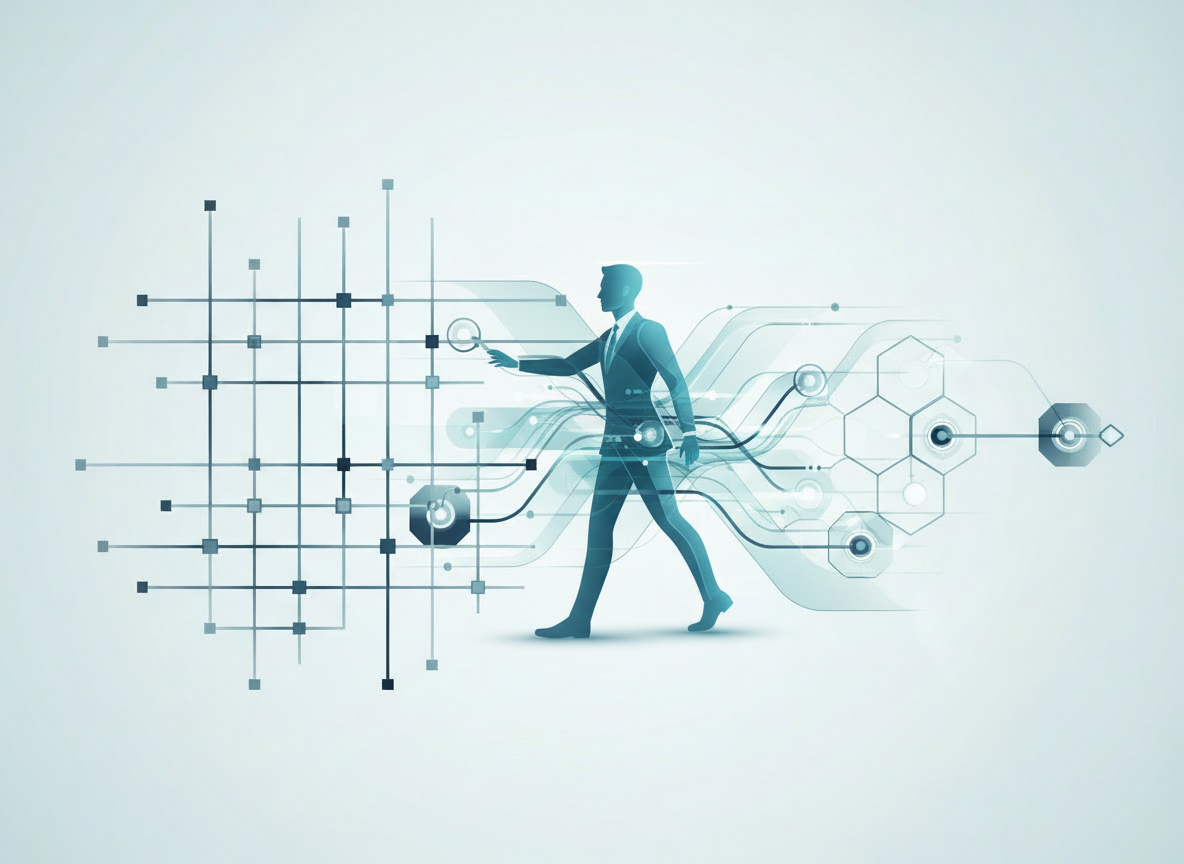
Personalization Is Becoming the Default
Look at daily life and the message is clear.
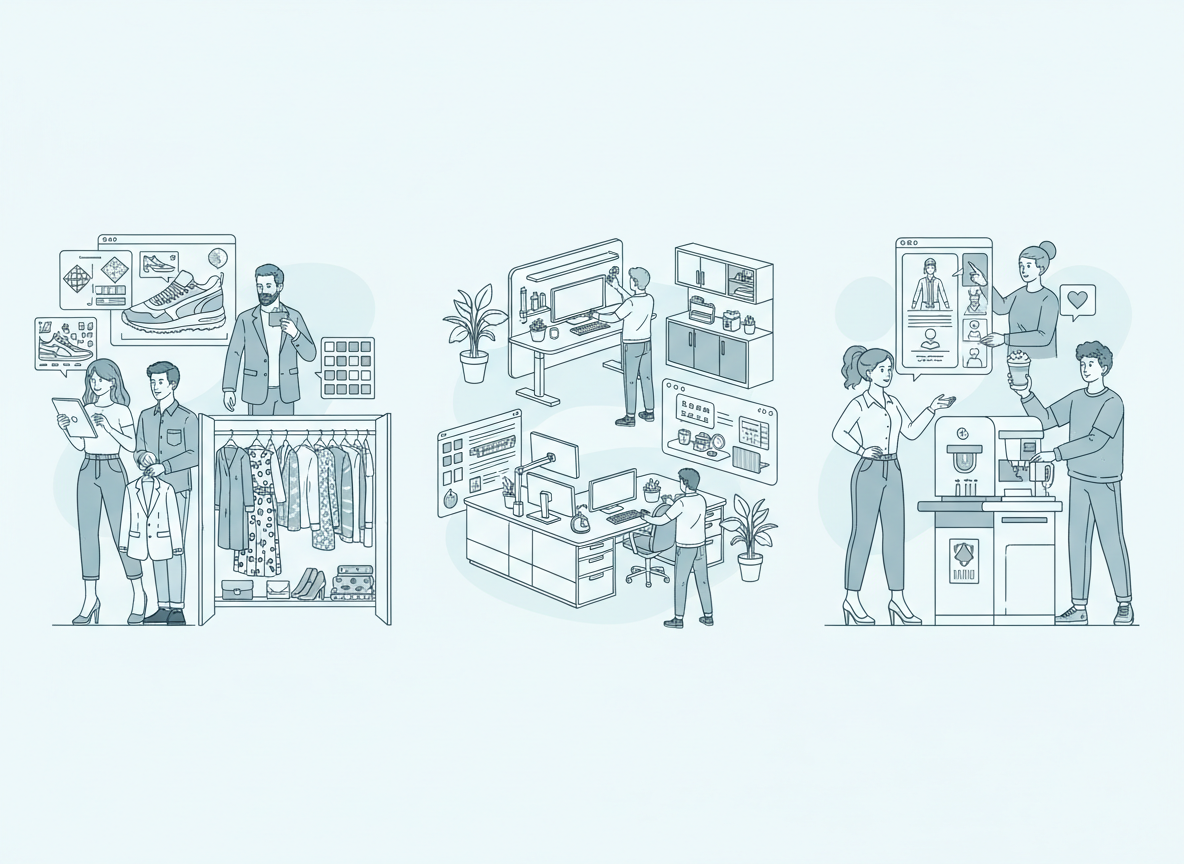
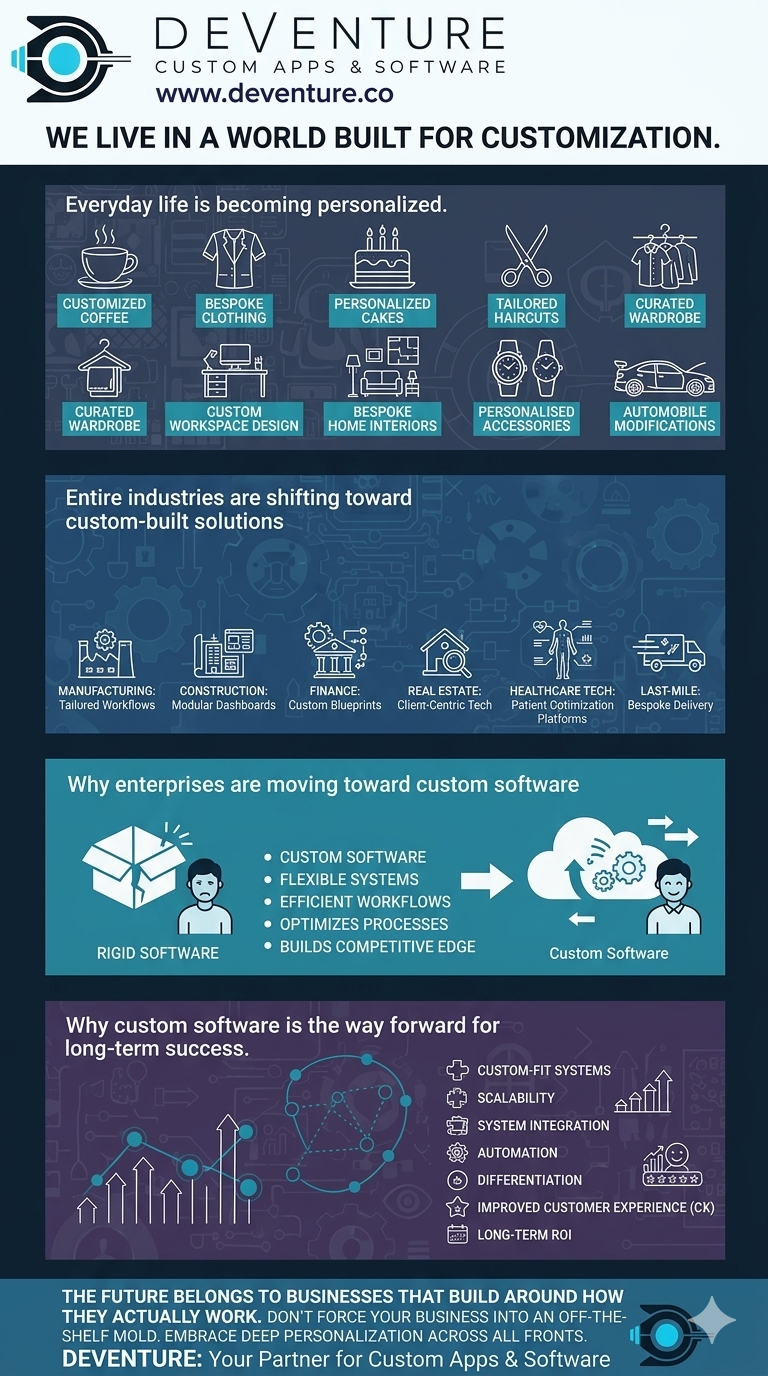
People customize their coffee orders, meal plans, fitness routines, phone interfaces, playlists, travel itineraries, and home interiors. Parents order birthday cakes designed around a child’s exact interests. Professionals build workspaces around focus, comfort, and productivity. Homeowners want layouts that reflect how they actually live, not how a generic plan assumes they should live.
Consumers have learned to expect choice, flexibility, and relevance. They want products and experiences that feel designed for them.
That expectation does not stop at the consumer level. It carries directly into business.
Entire Industries Are Being Reshaped
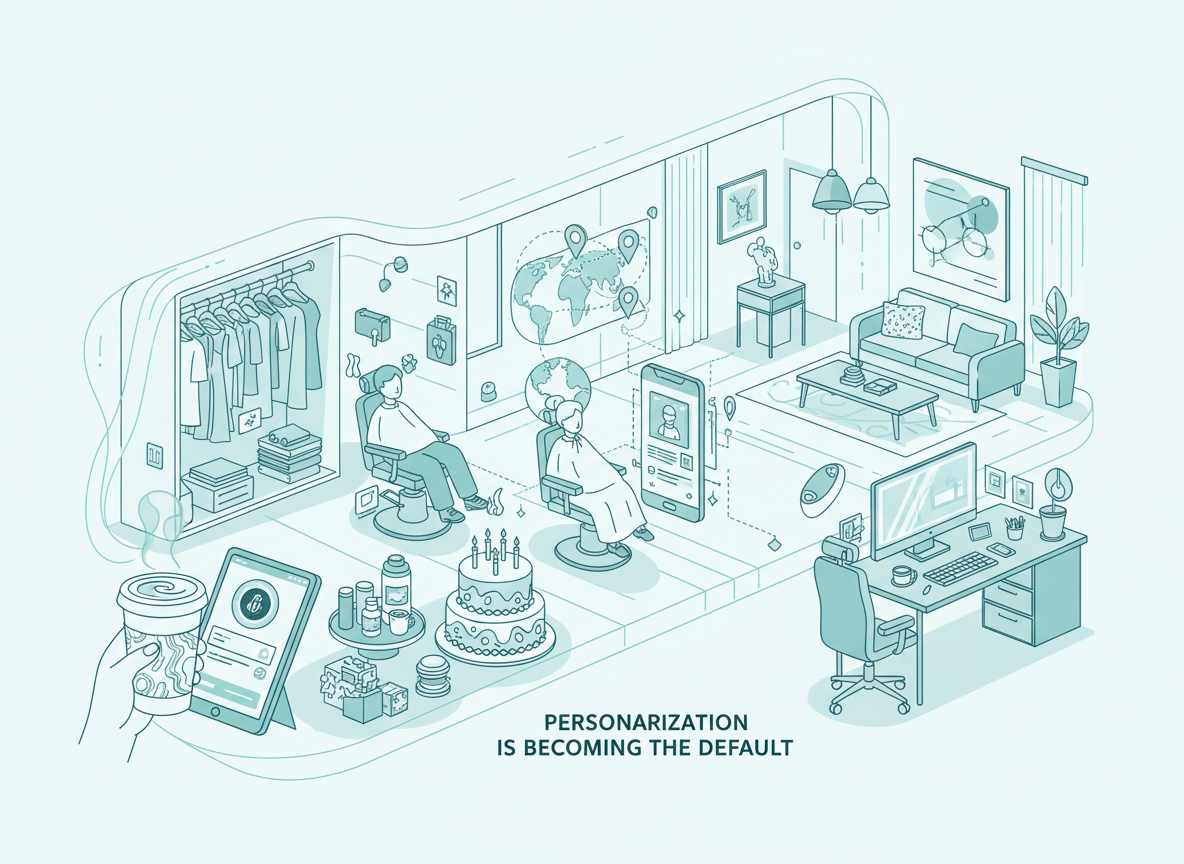
Across industries, the move toward tailored solutions is accelerating.
In manufacturing, production is becoming more flexible, allowing companies to respond to niche demand and changing customer requirements. In construction, projects are increasingly shaped around site realities, sustainability goals, regulations, and end-user needs.
In real estate, buyers and tenants expect spaces aligned with lifestyle, work patterns, and long-term value.In mobility, vehicles are configured around performance, comfort, safety, and digital experience.
In shipbuilding and cruise design, operators are creating vessels around specific routes, passenger expectations, operational models, and service concepts.In finance, clients expect services, dashboards, and journeys that reflect their goals and risk profiles.
In healthcare, solutions must adapt to patients, providers, compliance requirements, and care pathways.In logistics and last-mile delivery, success depends on dynamic routing, local conditions, timing, and visibility.
Even education, recruitment, hospitality, and workforce management are moving in the same direction. The common thread is simple: one-size-fits-all no longer feels good enough.
Why This Matters for Enterprises
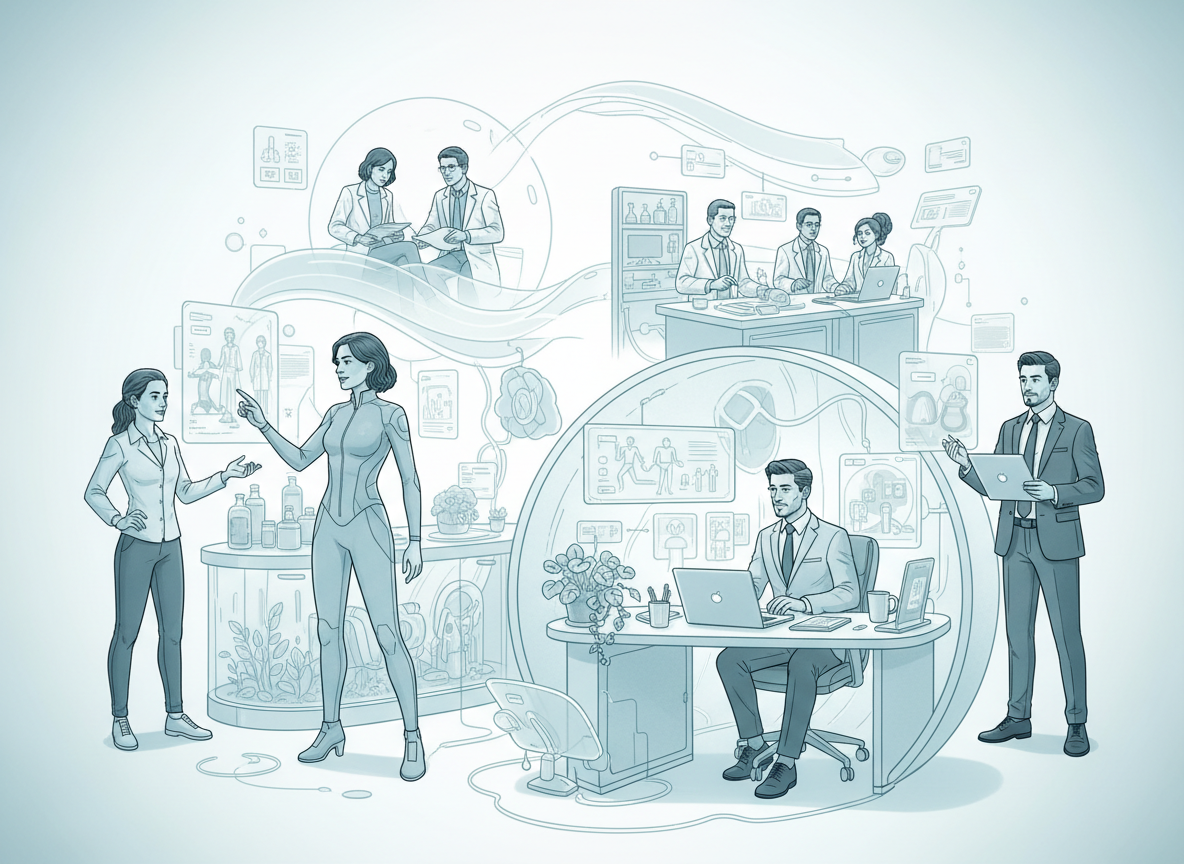
As markets become more competitive, businesses are under pressure to operate in ways that are faster, smarter, and more aligned with customer expectations.
That creates a problem.
Many organizations are still running critical parts of their business on rigid systems built for the average company, not their company. These tools may cover broad use cases, but they often struggle when a business has unique workflows, approval structures, reporting needs, integrations, or service models.
Over time, teams start building workarounds. Spreadsheets multiply. Manual steps creep in. Data gets fragmented. Processes slow down.
This is usually the point where enterprises realize they do not need more compromise. They need better fit.
Why Custom Software Is the Way Forward
Custom software matters because it is built around how a business actually works.
Instead of forcing teams to change their operations to suit the tool, the software is designed to support real workflows, real decision points, and real business goals.
That creates practical advantages:
- Better alignment with day-to-day operations
- Stronger integration with existing systems and data
- Greater flexibility as the business evolves
- More efficient processes through targeted automation
- Clearer visibility across teams and performance
- Improved customer and user experiences
- Less friction from disconnected tools and manual workarounds
- More control over differentiation and competitive advantage
For enterprises thinking long term, this is not just a technology decision. It is an operating model decision.
Custom Software Supports Long-Term Success
Long-term success rarely comes from doing exactly what everyone else does with the exact same tools.
It comes from building systems that support what makes a business effective, responsive, and distinct.
Custom software helps organizations scale without losing operational clarity. It allows them to adapt faster, connect departments more effectively, and create digital experiences that reflect their brand and service model. It also gives them ownership over the systems that power growth.
That ownership matters. When your software reflects your business instead of limiting it, technology becomes an enabler of progress rather than a constraint.
The Future Will Be Built Around Fit
The next era will not be defined by more generic solutions. It will be defined by relevance.
From safety pins to living spaces, from automobiles to cruise liners, from customer experiences to enterprise operations, the direction is clear: people want solutions built around real needs.
The same is true for software.
Businesses that embrace custom-built digital solutions will be better positioned to move faster, serve better, and grow with greater confidence.
At Deventure.co, we believe the strongest software is built in partnership, around the realities of the business, with long-term value in mind.
If your organization is outgrowing rigid systems and disconnected workflows, this may be the right time to explore what custom software could unlock for your next stage of growth.