

For decades, software has largely been treated as something that gets built, delivered, licensed, and paid for. Even when the commercial model is often subscription-based, ownership of the software’s upside usually stays concentrated in the hands of a small group of founders, investors, or acquiring companies.
But what if software product value could be structured differently?
What if, instead of treating software as a one-time product sale or a closed ownership asset, a company could fractionalize defined rights to its future revenue or economic upside through blockchain-based instruments?
For full-stack custom software development companies, this is more than a financing idea. It points to a new operating model: one where capital formation, liquidity, and stakeholder alignment can happen earlier and more efficiently, allowing teams to spend less energy chasing traditional funding and more energy building meaningful products.
Moving Beyond the Traditional Software Commercialisation Model
In the traditional model, a software company typically follows one of three paths:
- builds for clients on a fee-for-service basis
- develops its own product and raises equity
- licenses the product and grows through retained earnings or external capital
Each path has trade-offs. Services generate cash flow but can limit scalability. Equity fundraising can unlock growth but often comes with dilution, long timelines, and limited liquidity. Licensing creates recurring revenue, but ownership remains illiquid until a major event such as an acquisition or secondary sale.
Tokenized ownership structures introduce a different possibility: separating operational control from defined economic participation.
That means a company could retain governance over product strategy, roadmap, and execution, while offering fractional exposure to a product’s future revenue stream, usage-based income, or another clearly defined economic right. In practice, this could make fundraising more flexible, create earlier liquidity opportunities, and open the door to broader participation in software value creation.
Why This Could Matter for Innovation

When software companies are under constant pressure to fundraise, extend runway, or fit into rigid financing structures, innovation often becomes constrained by capital mechanics.
A more programmable ownership model changes that dynamic.
If a company can raise capital against future product value in a transparent and structured way, it may be able to:
- fund product development without giving up disproportionate equity
- align early supporters with long-term product success
- create liquidity mechanisms without waiting for a full exit event
- reinvest more consistently into R&D, experimentation, and product refinement
For development companies that also incubate internal products, this is especially relevant. Instead of relying only on client work to finance innovation, they could create product-specific economic structures that attract capital at the asset level.
How Blockchain Makes This Possible
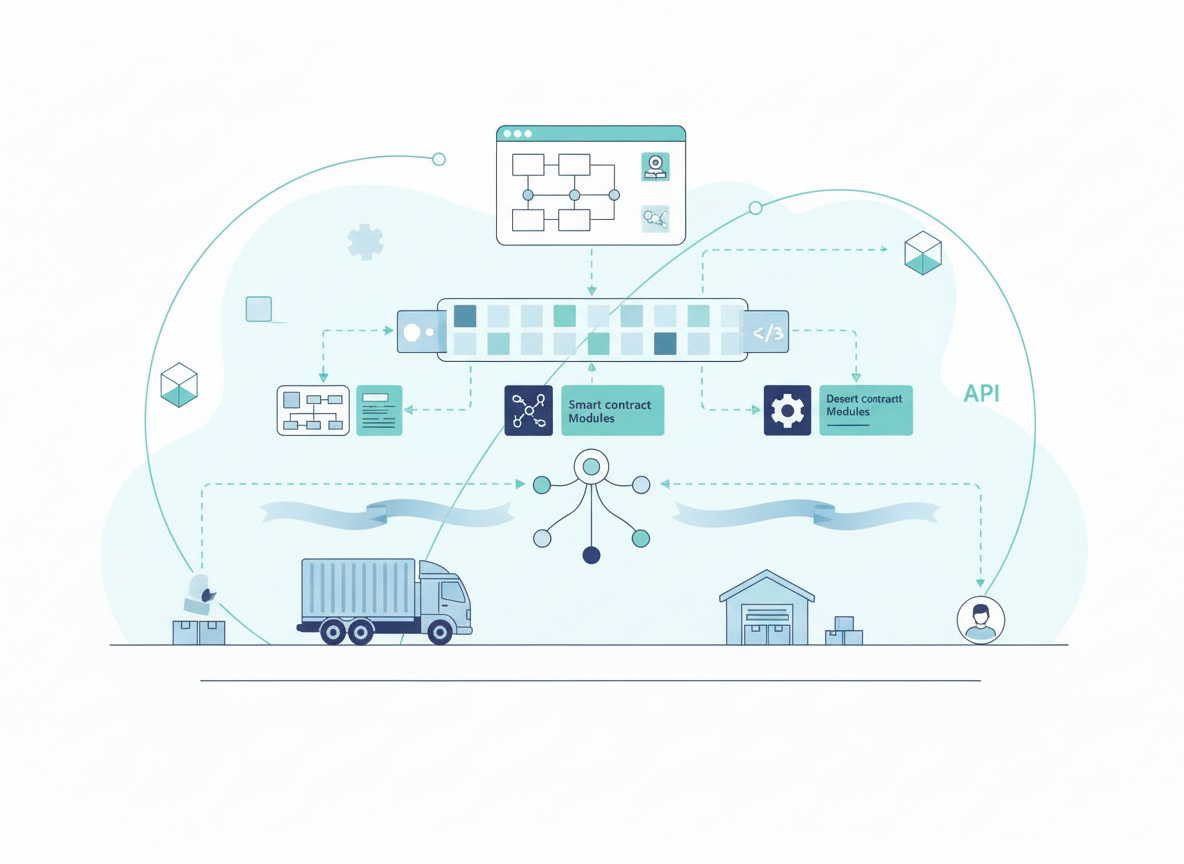
The technical foundation is not just tokenization in the abstract. It is the combination of blockchain infrastructure, smart contracts, and digitally enforceable rights.
At a high level, the model works like this:
- A software product or revenue stream is placed into a defined legal and commercial structure.
- Specific economic rights are identified, such as a percentage of net revenue, gross platform fees, royalty-style distributions, or future licensing income.
- Those rights are represented on-chain through tokens.
- Smart contracts automate issuance, transfer rules, distribution logic, reporting hooks, and compliance constraints.
The blockchain layer provides an immutable ledger of ownership and transfers. Smart contracts provide execution logic. Together, they create a system where participation rights can be managed with far more transparency and programmability than traditional cap tables or private side agreements.
Tokenisation in Practice
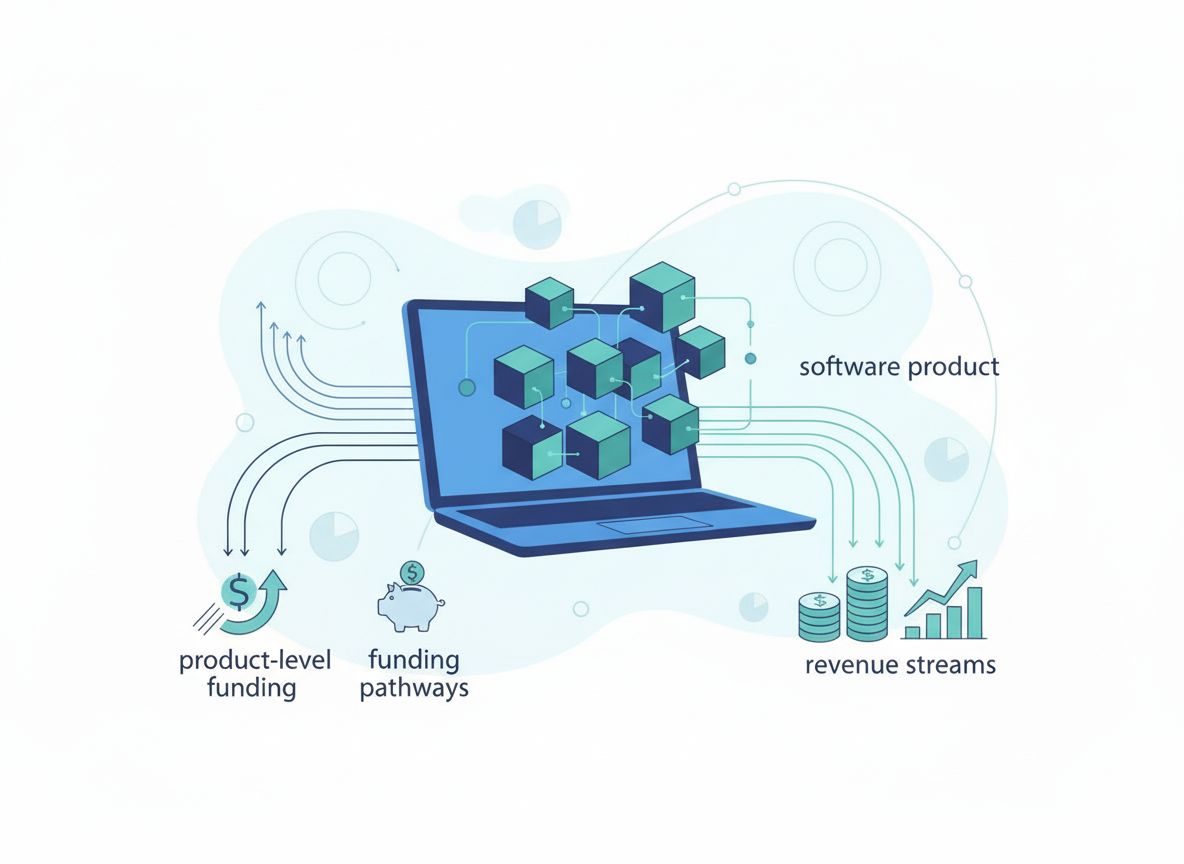
Tokenisation is the mechanism that turns a software product’s future economic value into a structured, divisible, and transferable digital asset. In this model, the software itself is not being sold outright. Instead, the company defines which rights can be fractionalized and how those rights will behave over time.
That design step is critical. A token should not represent vague ownership. It should represent a clearly documented claim, such as a share of subscription revenue, a portion of licensing income, access to royalty-style distributions, or participation in a predefined value pool linked to the product.
From a technical perspective, tokenisation starts with a rights framework. The company must define:
- what economic right is attached to the token
- whether the right is fixed, variable, or milestone-based
- how distributions are calculated
- when token holders become eligible
- whether transfers are unrestricted, permissioned, or time-locked
- what happens if the product pivots, merges, or sunsets
Once those rules are defined, smart contracts become the execution layer. They can mint the token supply, encode entitlement logic, enforce transfer restrictions, and automate payout calculations. This creates a much more transparent system than traditional private agreements because the rules are visible, consistent, and machine-executable.
For software companies, this opens up several practical structures. A product team could issue tokens tied to a new SaaS platform’s future revenues. An internal venture studio could tokenize product-specific upside without restructuring the parent company. A development company building proprietary tools could create separate tokenized pools for different software assets, allowing capital to flow into each product based on its own traction and potential.
This is where tokenisation becomes strategically powerful. It allows companies to finance innovation at the product layer rather than only at the corporate layer. Instead of raising capital solely through equity in the whole business, they can create targeted participation models around individual software assets.
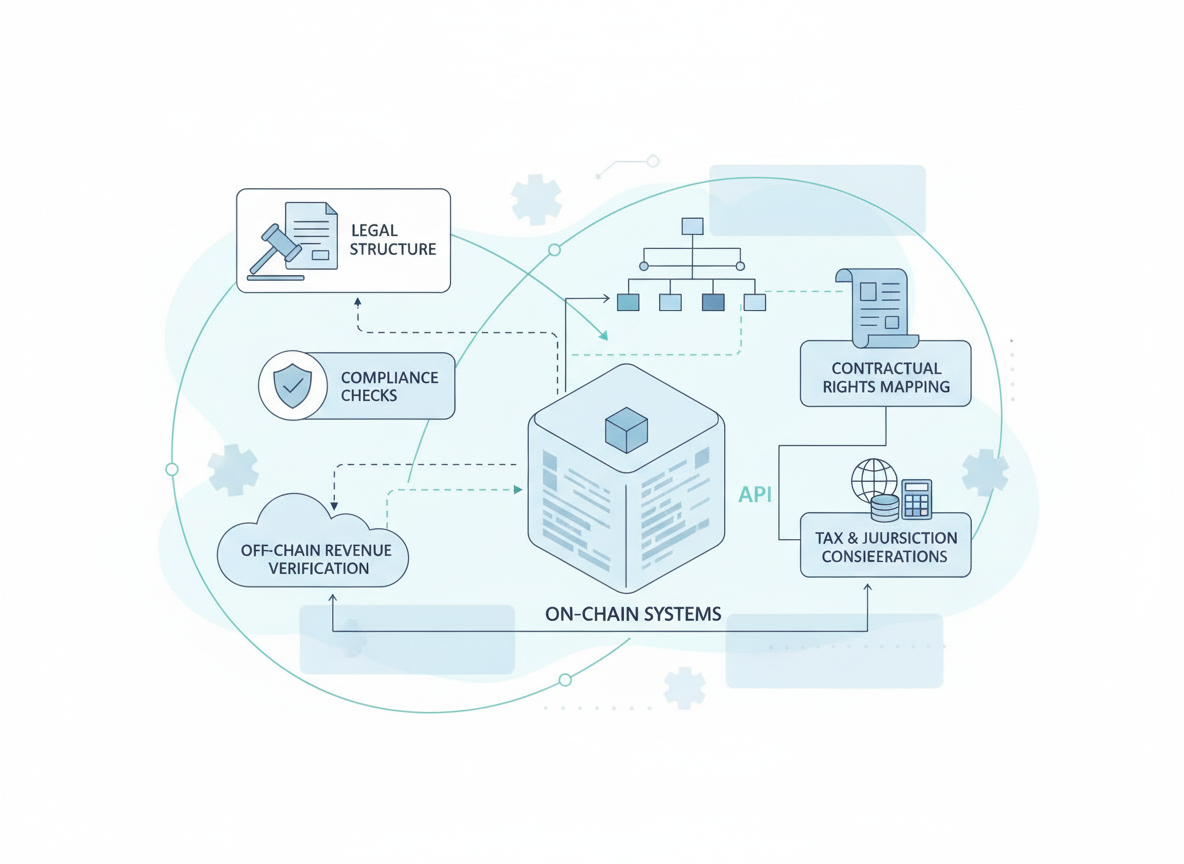
That flexibility can improve capital efficiency, but only if the token model is designed carefully. The token must map to real-world contractual rights, off-chain revenue data must be reported reliably, and the legal wrapper must support enforceability in the relevant jurisdiction. Without that foundation, tokenisation remains a concept rather than an investable system.
Where NFTs Fit In

NFTs are particularly useful when the rights being represented are unique, conditional, or tied to specific product assets.
While fungible tokens are better suited for standardized fractional units, NFTs can serve as the base ownership container or rights certificate. For example, an NFT could represent a specific entitlement class linked to a software product, a founding allocation, a milestone-based royalty right, or a structured claim on future cash flows.
That NFT can then either remain whole or be linked to fractional mechanisms through companion smart contracts.
This matters because not all software value rights are identical. Some may have vesting conditions. Some may be time-limited. Some may only activate after launch, revenue thresholds, or investor repayment waterfalls are met. NFTs allow those distinctions to be encoded more precisely.
The Smart Contract Mechanics
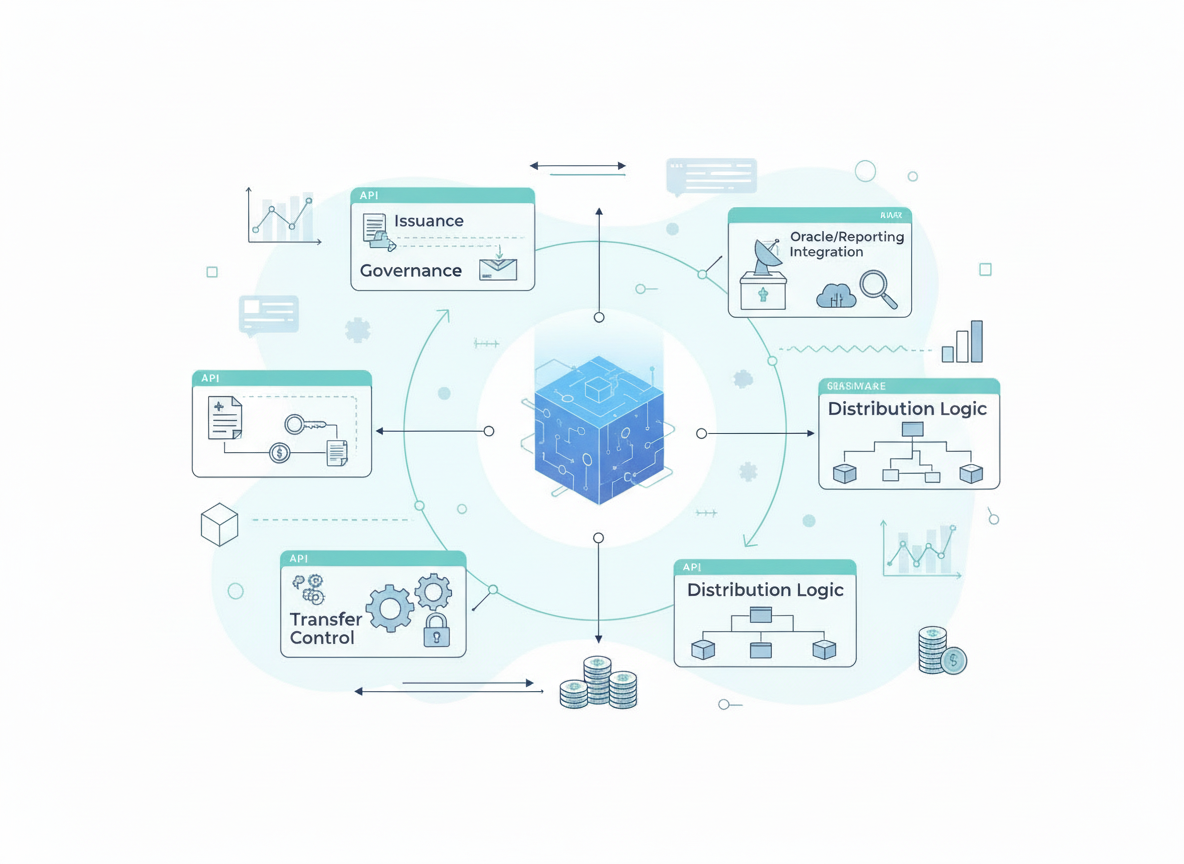
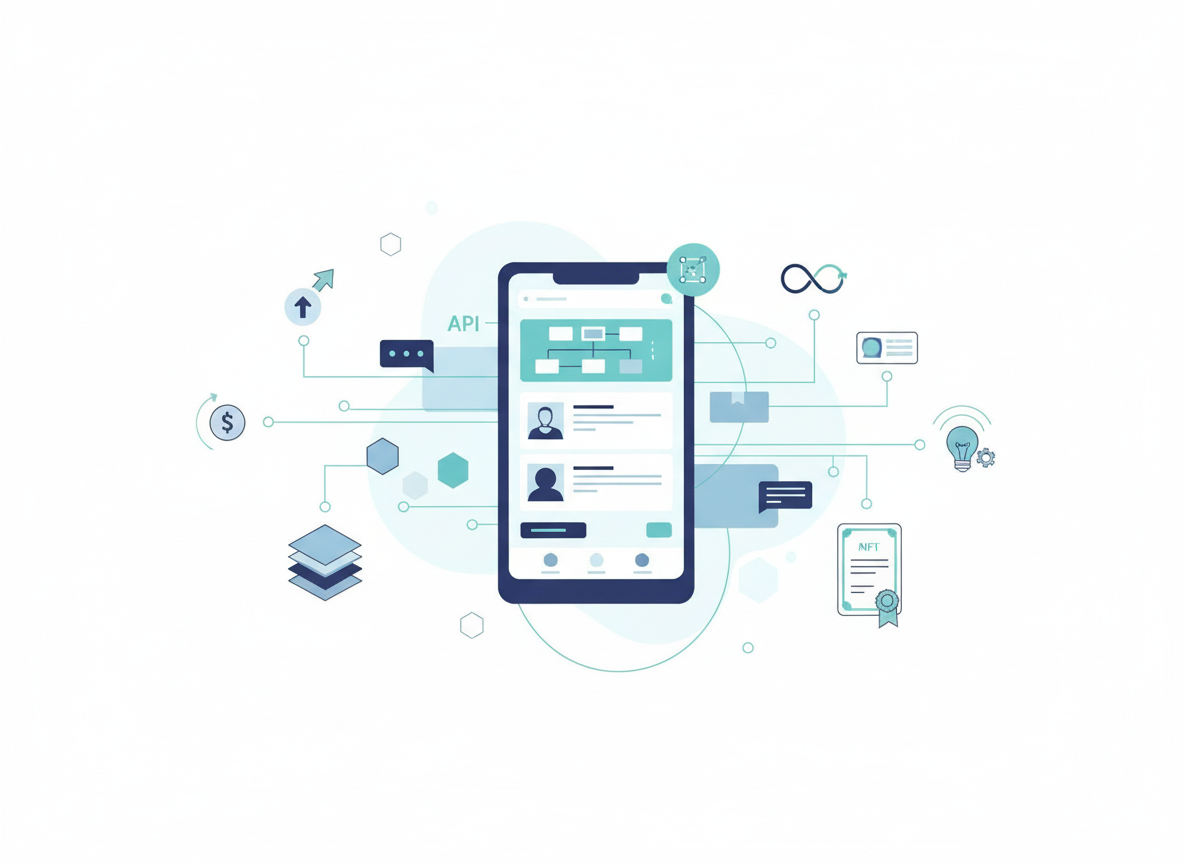
A credible implementation would typically include several smart contract layers:
- Issuance contract: mints the NFT or token supply and defines total units, metadata, and rights references
- Transfer logic: controls who can buy, hold, or transfer based on compliance, lockups, or whitelist rules
- Distribution contract: receives revenue allocations and distributes proceeds automatically to token holders according to predefined formulas
- Governance or consent layer: optional, if certain holder approvals are needed for narrow economic matters
- Oracle or reporting integration: connects verified off-chain revenue data to on-chain distribution events
This last point is critical. Software revenue usually happens off-chain through Stripe, bank transfers, subscriptions, enterprise contracts, or app marketplaces. So the system depends on trusted reporting inputs, audits, or oracle mechanisms to bridge off-chain cash flow into on-chain settlement.
In other words, blockchain can automate ownership logic, but it does not eliminate the need for sound financial reporting and legal structuring.
The Practical Reality
This model is promising, but it should be approached with precision, not hype.
The real question is not whether software can be tokenized. Technically, it can. The more important question is: what exactly is being tokenized?
Is it equity? Revenue share? Royalty participation? Licensing income? Governance rights? Access rights?
That distinction matters because the structure will depend heavily on jurisdiction, securities treatment, tax design, contract enforceability, and the exact rights attached to the token or NFT.
A Better Way to Finance Software Innovation
For software development companies building the next generation of products, tokenized economic rights could become a practical bridge between services, venture capital, and traditional ownership models.
Done properly, this approach can create more flexible funding paths, unlock liquidity earlier, and let builders stay focused on what matters most: creating products that solve real problems.
The opportunity is not in turning software into speculation.
It is in designing better ownership infrastructure around software value, so innovation can move faster, with stronger alignment between builders, backers, and long-term product success.