

Switching from a SaaS platform to custom software is rarely a purely technical decision. In most client stories, the turning point is emotional before it’s operational: friction that keeps showing up in daily work. When teams are forced into workarounds, approvals slow down, and the data leaders need is buried behind limitations, confidence drops and stress rises. In conversations after successful custom deployments, the most common first reaction is relief, and the next is momentum—because the business finally feels like it can move again.
SaaS Works—Until Growth Exposes the Cracks
For many enterprises, SaaS is the right starting point because it’s quick to adopt and easy to budget. Over time, however, the experience changes as the organization grows and edge cases become the norm. Teams begin to feel boxed in by rigid workflows that don’t match how the business actually operates. Integration gaps create duplicate data entry and inconsistent records, and reporting becomes “close enough” until it’s time to make high-stakes decisions. Feature bloat can coexist with missing critical functionality, and the organization becomes dependent on a vendor roadmap for changes that are urgent internally. The sentiment that builds here is usually frustration and fatigue, with teams feeling like they’re working for the tool instead of the tool working for them.
Custom Software Turns Daily Work from Reactive to Controlled
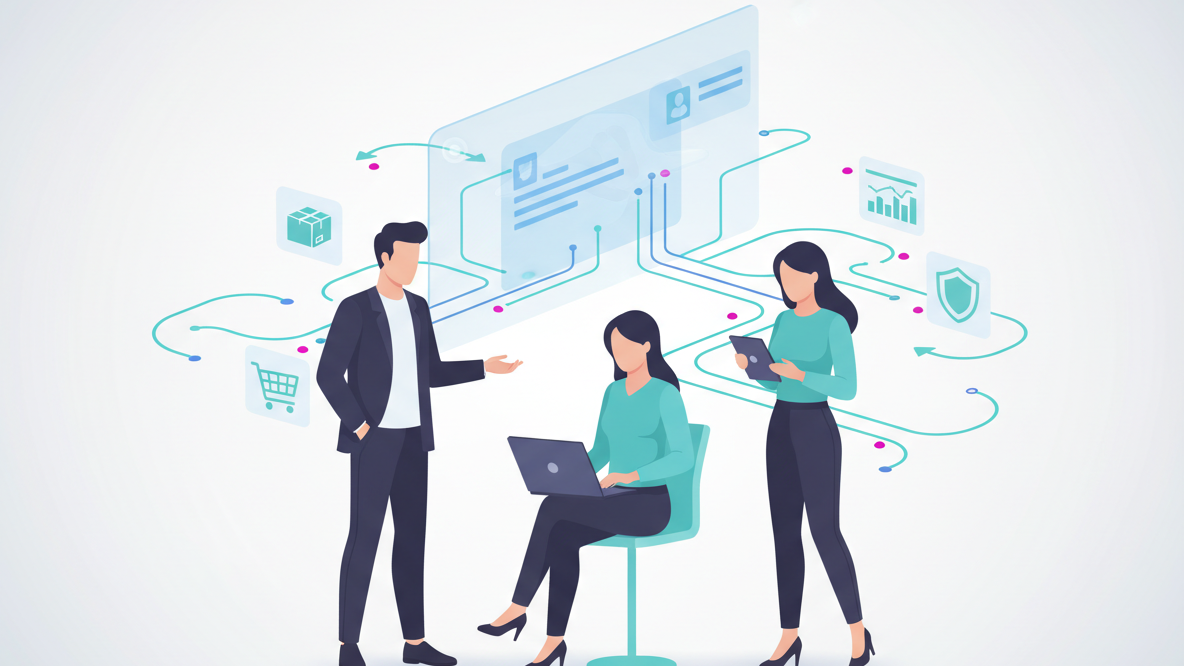
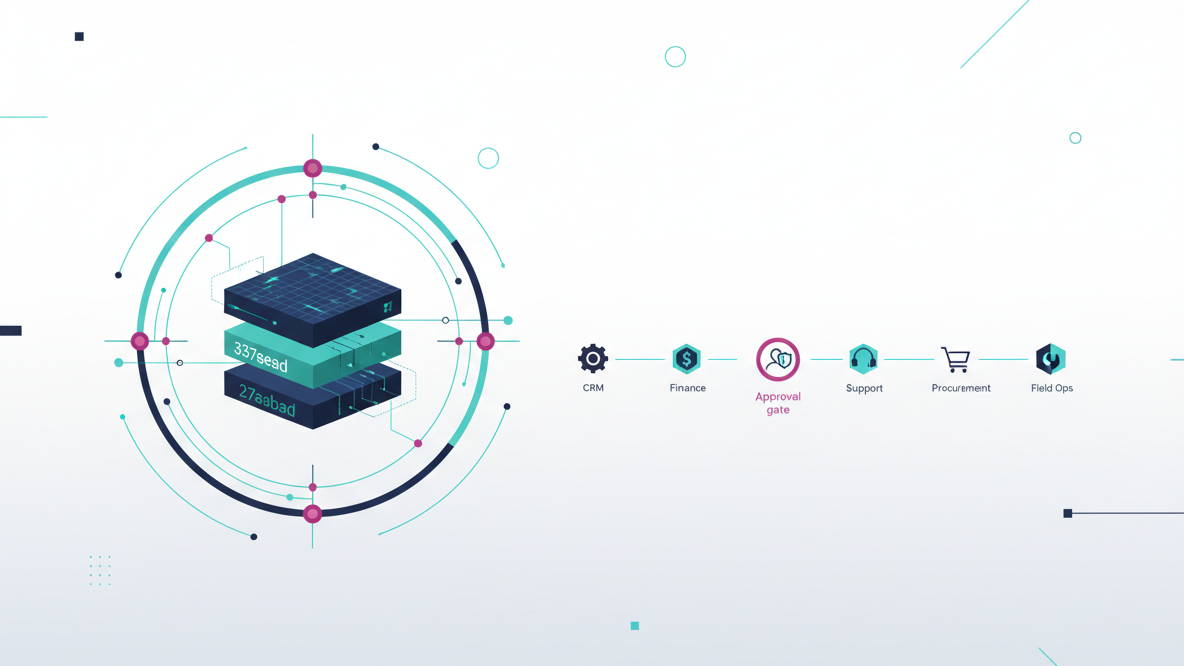
After moving to custom software, clients often describe a shift from reactive operations to proactive control. The strongest positive sentiment tends to cluster around fit-to-process workflows, where screens and steps reflect real roles, approvals, and exceptions instead of forcing unnatural behavior. End-to-end integration becomes a major emotional win because it reduces manual handoffs and creates cleaner, more trustworthy data. Visibility improves when dashboards are built around leadership questions rather than generic templates, and the speed to change becomes a tangible advantage when enhancements ship on the business timeline. This is where “emotional ROI” shows up: people feel calmer, more confident, and more capable because the system supports their reality.
Clients Measure Success in Outcomes they Can Feel Immediately
What’s striking is that clients rarely describe this in technical terms. They talk about outcomes that are immediately human and operational. They talk about no longer doing the same work twice, about onboarding being faster because the tool matches the process, about finally trusting the numbers, and about scaling without breaking operations. In practice, custom software consistently outperforms SaaS when workflow alignment reduces friction, when integration depth creates a true single source of truth, when performance and scalability are built for real constraints, and when ownership of the roadmap, data, and security posture becomes non-negotiable.
Neutral Sentiment is Usually a Process Problem, Not a Product Problem
It’s also important to acknowledge that not every custom software experience is instantly positive. Neutral or negative sentiment usually comes from predictable causes rather than the concept of custom itself. Unclear requirements, shifting priorities, and underestimated change management can dilute the benefits. Some teams try to replicate their SaaS tool instead of redesigning workflows for the way they want to operate, and others skip a phased rollout plan that would reduce risk and build confidence. The fix is equally predictable: discovery that includes real users, a clear success metric per workflow, iterative releases that prove value early, and strong communication that keeps stakeholders aligned.
The Real Payoff is Confidence that Compounds Over Time.
When done well, custom software doesn’t just replace a tool—it upgrades how teams operate. The most consistent client sentiment is that the business feels more in control.
Processes become smoother, decisions become faster, and teams regain trust in their systems because the software is shaped around the organization’s real-world needs. That’s why the switch is often described not as a cost, but as a long-term advantage that compounds over time.
Ready to turn friction into flow?
If your teams are feeling SaaS friction every day, let’s turn it into custom flow—book a quick discovery call and we’ll map the fastest path to measurable, confidence-building wins.